
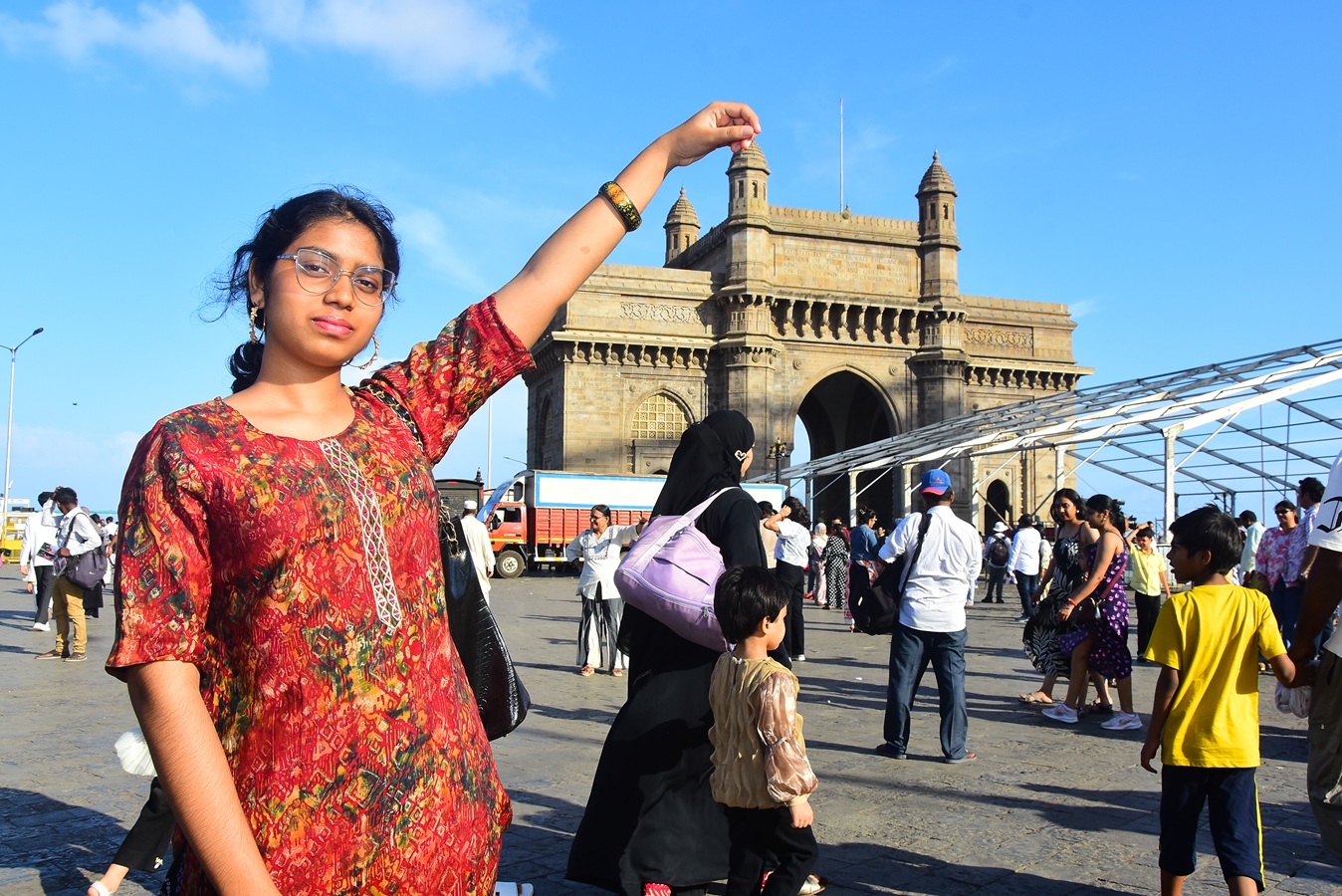

Khyati Kumar shares her memorable Mumbai tour experience at the Gateway of India, enjoying the sea view, boat ride, historic charm, harbour scenes and vada pav.
During my four-day Mumbai tour, I visited the Gateway of India on 20 June (Saturday). It became one of the most memorable experiences of my journey. Mumbai has many beautiful places to explore, but the Gateway of India felt truly historic and special to me. The moment I reached the Gateway of India, I felt the charm of old Mumbai. The grand monument stood proudly near the Arabian Sea. It looked strong, beautiful, and full of history. I had seen the Gateway of India in pictures before, but seeing it in front of my eyes was a completely different feeling.
It was the afternoon when I visited the place. The sun was very strong. The heat was falling directly on my face. The day was humid, and the air felt heavy. Still, the beauty of the place made me forget the discomfort for some time. There was a special energy around the monument. People were walking, clicking photos, and enjoying the sea view.
Sea View Wonder
For me, the most wonderful part was seeing the sea from the Gateway of India. The view was truly amazing. The waves, the boats, the open sky, and the historic monument together created a beautiful scene. I stood there for some time and quietly watched the water. It felt peaceful. It felt magical. The sea looked endless and filled my heart with joy.
I also enjoyed a sea ride during my visit. It was a lovely experience. Watching Mumbai from the water was beautiful. The breeze touched my face, and the sound of the waves made the moment even more special. The buildings, boats, and coastline looked wonderful from the sea. It was one of those moments that stay in memory forever.
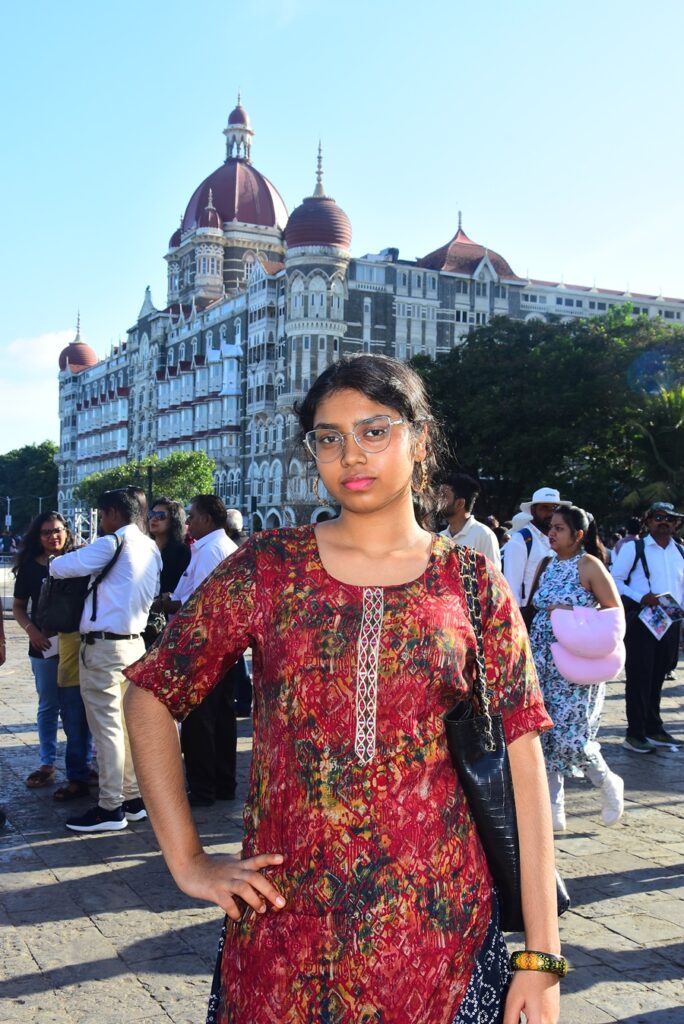
Many ships were also visible around the area. Some of them were waiting in a queue to unload goods. Watching the sea, the boats, the ships, and the busy movement around the harbour made the experience even more interesting and memorable.
Gateway’s Historic Charm
The Gateway of India is not just a tourist attraction. It is a symbol of history, heritage, and pride. It tells the story of Mumbai’s past. It also reflects the spirit of the city. Standing near the monument, I felt that I was not only visiting a famous place but also experiencing an important part of India’s history.
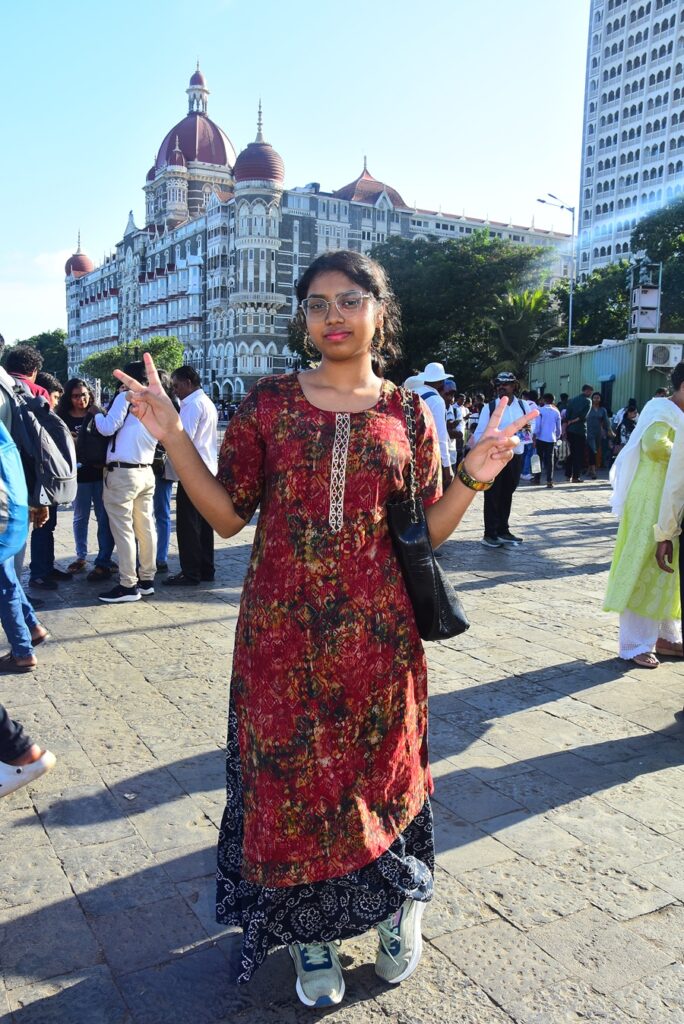
After spending time near the Gateway of India and enjoying the sea view, I also admired the beachside scenes. Mumbai looked vibrant and full of life. The city was busy, but beautiful. It was crowded, yet charming. Every corner seemed to have its own story. The sea, the people, the sounds, and the movement made Mumbai feel alive.
Beautiful City Memories
This visit made me realise how beautiful Mumbai is. The city has history, sea, culture, food, energy, and emotions. It has its own rhythm. It has its own soul. The Gateway of India, the sea view, the strong afternoon sunlight, the humid weather, the boat ride, and the taste of vada pav all came together to create a memorable day.
My visit to the Gateway of India will always remain close to my heart. It was one of the most special places I explored during my Mumbai tour. Mumbai gave me many beautiful memories. The city’s beauty, history, and spirit touched me deeply. Mumbai will always stay in my memories.
Vada Pav Moment
While leaving the Gateway of India area, I also enjoyed Mumbai’s famous vada pav. It added a local flavour to my visit. Eating vada pav after exploring such a beautiful and historic place made the experience even more personal and joyful. It was a simple moment, but it became a sweet memory of Mumbai.
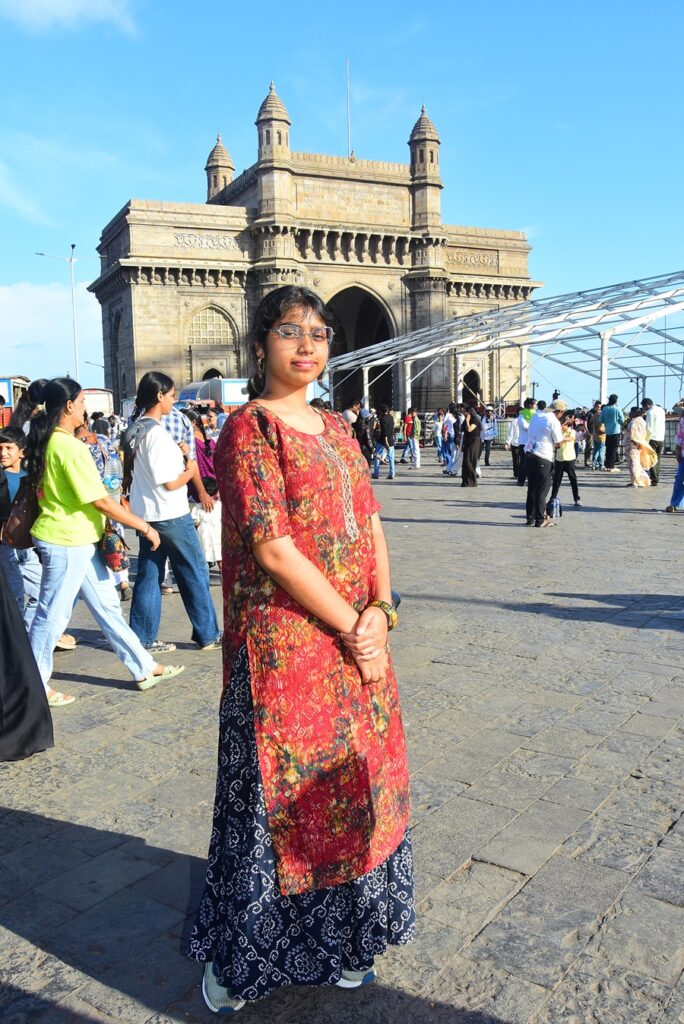
Gateway of India is Mumbai’s most iconic landmark
The Gateway of India is Mumbai’s most iconic landmark, an 85-foot-tall (26-meter) basalt arch monument erected on the waterfront of Apollo Bunder overlooking the Arabian Sea. It stands as a profound symbol of India’s colonial history and transitions, famously serving as both the formal entrance for British dignitaries and the symbolic departure point for the last British troops leaving India in 1948.
Key Historical Facts
- The Purpose: Built to commemorate the 1911 visit of King George V and Queen Mary to India. Ironically, the royals only saw a cardboard model, as actual construction didn’t start until 1915.
- Timeline: Designed by Scottish architect George Wittet. The foundation stone was laid in 1913, construction finished in 1924, and it opened on December 4, 1924.
- Independence Exit: On February 28, 1948, the First Battalion of the Somerset Light Infantry marched through the arch to their ship, marking the final end of British rule.
Architecture and Design
- Style: Designed in the unique Indo-Saracenic style, seamlessly blending Hindu, Islamic, and 16th-century Gujarati architectural motifs.
- Materials: Constructed using durable yellow basalt stone reinforced with concrete.
- Features: The design includes a majestic 50-foot-diameter central dome and intricate, hand-carved stone latticework (jaali).


